A First Day at a Cricket Ground: Follow One Session
A first day at a cricket ground feels simpler when you plan one session, check the entry rules and choose a comfortable seat for watching play.

At a cricket ground, the crowd may be settled and the scoreboard changing before you have found your seat. For your first day at a cricket ground, one session is enough: choose a comfortable place, follow the score and notice how the field shifts around the batter.
How do you plan one session at a cricket ground?
Check the fixture and venue information before setting out. Look for the scheduled start, entry arrangements, any rules about arriving after play begins and the ground’s policy on re-entry. Session times and arrangements differ between matches, so use the information for your specific fixture.
Pick a start and finish that suit your journey and energy. If you are meeting someone, agree on a gate or a clear landmark outside the seating area. A session gives you a natural point to pause and decide whether to stay longer; leaving then is a complete visit.
What should you bring, and what can stay at home?
A small bag is easier to carry through a crowd. Check the venue’s current rules before packing food, drink, cameras or a larger bag. Useful basics may include:
- Your ticket or booking details; if they are easy to reach, then entry is simpler, otherwise keep them somewhere accessible before joining the queue.
- A light layer; if the forecast suggests changing conditions, then bring one, otherwise avoid carrying extra clothing you are unlikely to use.
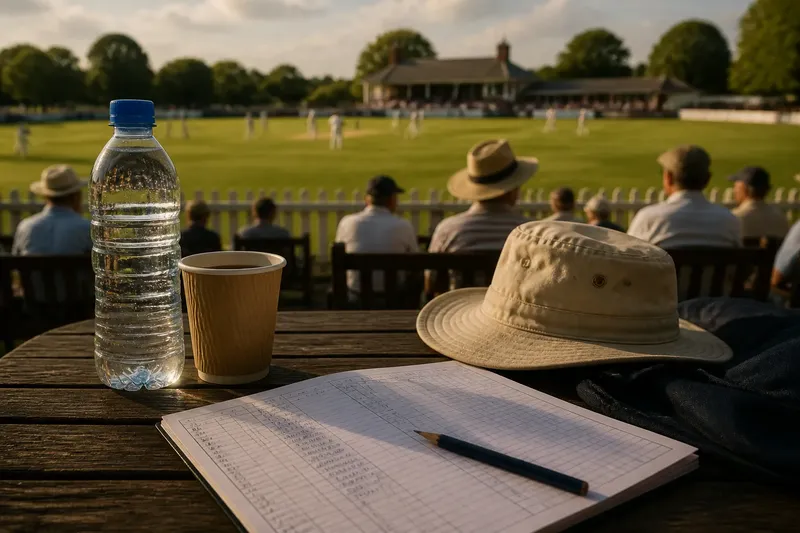
- A hat and sun protection; if you expect to sit in direct sun, then pack them, otherwise check the forecast and venue guidance before deciding.
- Water and a modest snack; if the ground permits them, then bring what you will use, otherwise plan to use the venue’s refreshments.
- A phone with the ground map or meeting details; if you need it to find your seat or companion, then charge it before leaving, otherwise keep it away and enjoy the play.
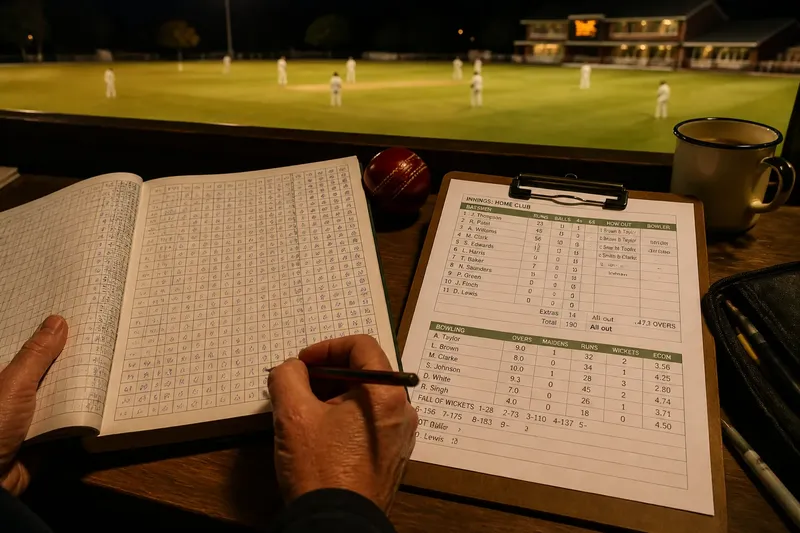
- A scorecard, if you like keeping a record; if writing helps you follow an over, then use it, otherwise leave it behind rather than turning the visit into an assignment.
Binoculars, a scoring app and specialist clothing are not worth the effort for a first visit unless you already enjoy using them. A clear view of the scoreboard and a few moments watching the pitch are enough to begin following the match.
Where can you sit to follow the action?
A view behind the bowler’s arm can make the direction of a delivery easier to see. From side-on, the positions of the batter and fielders may be clearer. Neither angle tells the whole story, so prioritise a seat where you can see comfortably and get in and out without disrupting others.
Consider shade, toilets, refreshments and the route back to your seat. If you need to move around, check whether an aisle seat or a place near a clear route is available. Follow stewards’ directions and do not enter a section unless your ticket and the ground’s arrangements allow it.
Say you reach your allocated seat and find it is in strong sun. You check the ground map, then ask a steward whether a shaded section is open to your ticket. If a move is permitted, you take an available seat there; if not, you keep your place and use the hat and water you packed. Either way, you know which option fits the ground’s rules.
What is worth watching during a session?
Use the score as an anchor, then choose one or two details to follow between deliveries. A field change, a batter’s response or a shift in the score can make a passage of play easier to read without requiring you to understand every decision.
- Check the score after an over; if the total has changed, then notice whether runs were added, a wicket fell or both, otherwise return your attention to the next delivery.
- Look at the nearby fielders; if their positions change, then watch whether the batter responds differently, otherwise keep following the existing arrangement.
- Notice whether the batter leaves, defends or attempts a scoring shot; if a pattern emerges, then see whether it continues, otherwise treat each delivery as a fresh moment.
- Listen to the umpire and crowd; if a call or sudden reaction catches your attention, then check the scoreboard or ask what happened, otherwise keep watching without trying to interpret every sound.
If you lose track, glance at the displayed score or ask a neighbour for a plain explanation. Missing a delivery does not stop you following the next over.
How can you keep the visit comfortable?
Cricket includes pauses between deliveries and longer intervals. Use a break to stretch, get a drink or find the toilet. Before leaving your seat, check the ground’s arrangements for returning and for moving through aisles during play.
You do not need to monitor every conversation, score change and field adjustment at once. Choose one thread, let it go if something else catches your attention, and pick it up again when convenient. The visit can include close watching, conversation and time spent looking around the ground.
What do first-time cricket-ground visitors ask?
Do I need to know the rules before I arrive?
No. Knowing that batters score runs and that a wicket can end a batter’s turn gives you a starting point. The scoreboard and people nearby can help fill in the rest as play unfolds.
Can I arrive after the match has started?
That depends on the venue’s entry and movement arrangements. Check the fixture information before you travel so you know which entrance to use and whether you can reach your seat during play.
Can I leave before the session ends?
Yes, if that suits your plans and the venue’s exit arrangements. Check the re-entry policy first if you expect to return after leaving.
What should I do if I miss a delivery?
Look at the score or ask someone nearby what changed. You can follow the next delivery without reconstructing everything that happened before it.
What can you take away from your first visit?
Before leaving, check who is batting and what the score says about the current innings. You do not need to predict the result; simply noticing the state of play gives you a thread to pick up if you return for another session.
Keep one detail in mind, such as a field change that made sense later or a batter who chose to defend. That observation can help the next visit feel more familiar, while the match’s own pace determines what is worth following.