Why Cricket Has a Tea Interval
Why cricket has a tea interval: understand how the pause shapes a long day and plan a comfortable return to play without missing the match’s rhythm.
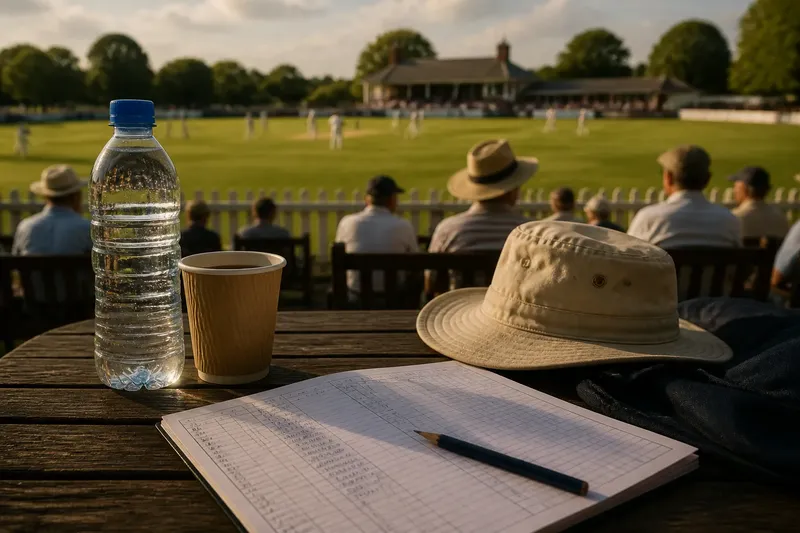
At a long cricket match, the players leave the field and the crowd breaks into smaller conversations. Why cricket has a tea interval is partly practical: it gives a long day a shared pause before play resumes.
What does tea mark in a day’s play?
Longer matches divide play into sessions, with intervals between them. Tea is a familiar break within that schedule. It gives players and spectators a clear point to stop, rather than leaving everyone to take a pause at a different time.
The break also makes the day easier to follow. A newcomer can understand that one stretch of play has ended and another will begin after the interval, even without knowing every detail on the scorecard. The match continues under its existing conditions; tea is a pause in the day, not a reset of the contest.
How can you use the interval well?
There is no single correct way to spend tea. Choose according to what you need and how closely you want to follow the match:
- If you need a rest: sit somewhere quieter or take a short walk; if you feel refreshed, return to your place before play resumes, and if not, stay seated and keep the break simple.
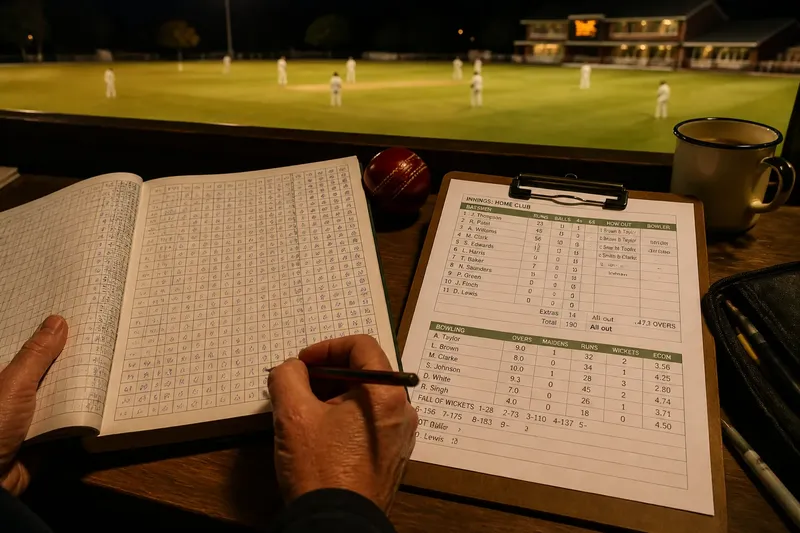
- If you want a match update: check the scorecard and identify the innings and current state of play; if it is clear, use it to orient yourself, and if it is confusing, ask a companion or simply watch the next passage before drawing conclusions.
- If you are watching with a group: agree whether to stay together or split up briefly; if everyone wants refreshments, go as a group, and if some prefer to keep watching the ground, arrange to meet again.
- If you want something to drink: choose tea, water or another available drink; if you do not want a drink, use the interval to stretch or talk instead.
- If the session has been quiet: take the chance to move or chat; if the match has held your attention, stay near the ground and return your focus when play is due to restart.
- If you are unsure when play resumes: listen for announcements or check the match information; if the time is still unclear, ask a steward or someone at the ground rather than guessing.
Say you are at a ground with a friend, and your starting point is a close afternoon session, an unclear scorecard and a desire to get a drink. During tea, you buy water, ask your friend which side is batting and check the ground announcement for the return time. You then know the innings, have a drink and can head back at the stated time; the trade-off is that you spend less of the interval discussing every detail of the score.
What should players and spectators expect?
For players, tea separates one period of effort from the next. They leave the field and prepare to return. The break creates a recognised opportunity to pause, but it does not make tiredness or pressure disappear.
Spectators can stay near the ground, find refreshments or take a walk. The name does not require anyone to drink tea. At a venue, check announcements or match information for the return time, and leave yourself a chance to get back before play starts.
It is not worth spending the whole interval in a queue for something you do not particularly want. A brief stretch, a drink of water or a conversation may be all you need.
How does tea differ across cricket formats?
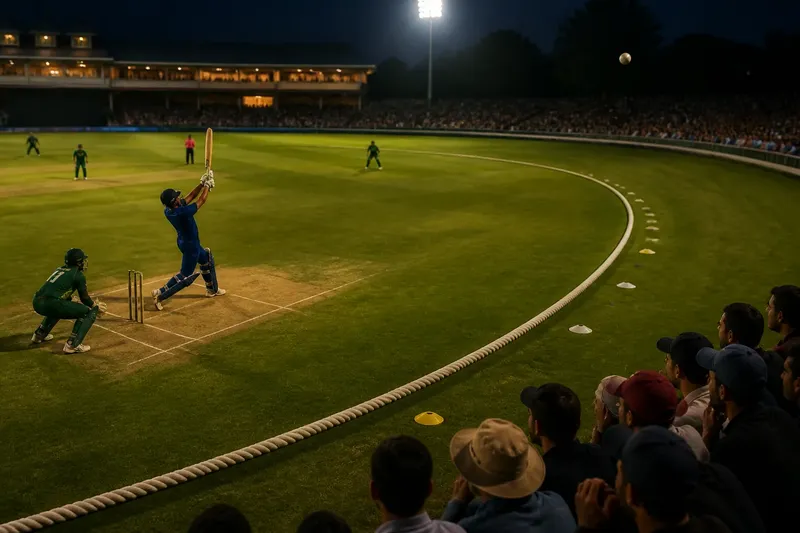
Tea is associated with longer forms of cricket, where the day includes extended sessions and planned intervals. Shorter formats arrange their playing day differently, so do not assume that every match has a tea break. The schedule can also depend on the match and venue; check the information for the particular game if timing matters to your plans.
What makes tea distinctive is not a fixed menu or a promise of a particular kind of rest. It is a recognised pause within a longer day, shared by people on and around the field.
What do newcomers often ask about tea in cricket?
Does every cricket match have a tea interval?
No. Tea is associated with longer forms, while shorter formats follow different schedules. Check the match details if you need to know whether a particular game includes it.
Do spectators have to drink tea?
No. The name describes a convention, not a requirement. You can have water, another drink, a snack or no refreshments at all.
Does the interval change the match?
Tea does not decide the result or erase the play before it. The same match continues when the players return, with the break providing time away from the field.
How can you follow the match during tea?
Look at the scorecard for the innings and current state of play, then check when play is due to resume. If the scorecard is unfamiliar, ask someone nearby or wait to see how the next passage develops.
Why does tea matter to the rhythm of a long match?
Tea gives a long day a shared boundary: play stops, people take a pause, and attention returns to the ground. That rhythm is part of the experience of longer cricket, as much as the score and the sessions themselves.
When considering why cricket has a tea interval, remember that the useful point is the pause, not the ritual. Check the return time, decide what you need from the break, and leave enough space to settle back in before the next ball.